Source Fish Farming Floating Net Cages for Aquaculture Tourism
Find 19 listings for Fish Farming Floating Net Cages designed for aquaculture and tourism applications. Buyers can compare models like Qh-Fish Cage and NFW001, featuring HDPE frames and customizable sizes ranging from 10m to 120m perimeter.
Key considerations
Products List


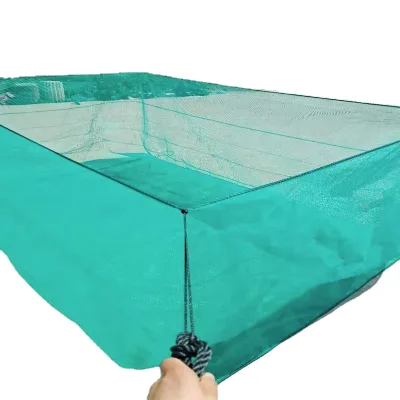
Fish Farming Net Cage, Aquaculture Floating Cages, Aquaculture Sea Cages
$3800.00 - $6000.00
MOQ: 1 Sets


Comprehensive Sourcing Guide
Strategic Sourcing Guide for Fish Farming Floating Net Cages
Understanding the Technical Architecture of Floating Net Cages
The procurement of Fish Farming Floating Net Cages requires a precise understanding of the structural components that define their operational integrity. Based on the available market data, these systems are primarily constructed using High-Density Polyethylene (HDPE) for the frame and floating pipes. The material selection is critical, as HDPE offers the necessary buoyancy and resistance to corrosion in saline environments. The floating pipes themselves are available in a range of diameters, specifically 200mm, 250mm, 315mm, 350mm, and 400mm. Buyers must verify that the specific pipe diameter aligns with the intended load-bearing requirements of the fish species being cultivated.
The structural geometry of these cages varies significantly depending on the application. The observed market offerings include round shapes with perimeters ranging from 40 meters up to 120 meters. In other configurations, the diameter specifications span from 10 meters to 80 meters, with some custom models supporting areas between 4 square meters and 200 square meters. The netting material is consistently identified as PE (Polyethylene) Net, which is designed to contain aquatic products while allowing water flow. The net depth is often a customizable parameter, allowing suppliers to tailor the vertical containment to specific farming depths. The color of the floating frame is typically observed in black and yellow combinations, which may serve both aesthetic and visibility purposes in open water environments.
Compliance Standards and Certification Verification
When sourcing industrial aquaculture equipment, verifying compliance with international and regional standards is a non-negotiable step. The supplied product data indicates that many units carry CE and ISO9001 certifications. Some listings also reference GMP (Good Manufacturing Practice) and QS standards, which are particularly relevant for food safety and processing machinery. It is essential for buyers to treat these certifications as observations of specific listings rather than universal guarantees for all available inventory.
The production origin is predominantly Mainland China, with specific manufacturing hubs noted in Shandong and Guangdong provinces. While the location provides context for logistics, the primary focus must remain on the validity of the certifications. Buyers should request current, verifiable certificates for the specific batch of equipment being purchased. The standard "ISO9001:2008" is mentioned in background data, but modern procurement should prioritize the latest applicable ISO standards to ensure quality management systems are up to date. Furthermore, the condition of the machinery is listed as "New," which implies that the equipment has not been previously utilized, a critical factor for ensuring the longevity of the HDPE frame and the integrity of the netting.
Cost Drivers and Pricing Variables
The pricing structure for Fish Farming Floating Net Cages is highly variable, influenced by the complexity of the design, the scale of the perimeter, and the customization level. The observed price range in the market spans from approximately 9.11 USD to 1,000,000 USD. This vast disparity suggests that the unit price is not a simple per-square-meter calculation but is heavily dependent on the total scope of the project. Small-scale experimental cages may fall at the lower end of the spectrum, while large-scale commercial operations requiring custom perimeters of 120 meters or specialized hydraulic winch integration will command significantly higher costs.
The Minimum Order Quantity (MOQ) is another critical cost driver, with observed ranges between 1 and 8 units. This flexibility allows buyers to procure single units for pilot projects or small batches for initial deployment. However, larger orders may offer economies of scale that are not immediately visible in the unit price. The packing method, listed as "in Bulk" or "as Buyer's Requirements," also impacts the final landed cost. Custom packing requirements to protect the HDPE pipes and PE nets during long-distance shipping from China Mainland can add to the overall expense. Buyers should request a detailed breakdown of costs that separates the raw material, manufacturing, and logistics to understand the true value proposition of a specific supplier.
Typical Applications and Operational Context
The application of these floating net cages extends beyond simple fish farming, encompassing tourism and broader aquaculture management. The data explicitly lists "Tourism" and "Aquaculture" as key application areas. In the aquaculture sector, these cages are suitable for farming specific species such as Tilapia, though the design is generally adaptable to various finfish. The versatility of the system is further highlighted by the availability of different models, including the "Qh-Fish Cage," "sea fish farming cage," and "aquaculture fishing farming net cage."
The operational context also involves the integration of auxiliary machinery. Some listings describe the system in conjunction with fishing auxiliary machinery, including winches of the friction type and hydraulic power sources. This suggests that the cages are part of a larger ecosystem that may include harvesting and processing equipment. For instance, the "Finished processing machinery" category includes fillet machinery, indicating that the supply chain for these cages often extends to the post-harvest processing stage. The working method, described as "Friction Type" for winches, implies a specific mechanical approach to managing the nets, which buyers must consider when planning the operational workflow of their facility.
Supplier Evaluation and Product Specifications
Evaluating a supplier requires a meticulous review of the product specifications provided in their listings. The model numbers serve as unique identifiers for different configurations, such as "QH-32," "NFW001," or generic descriptions like "fish cage." Buyers should cross-reference these model numbers with the specific technical parameters they require. For example, a model specified with a perimeter of 60m-120m may not be suitable for a site requiring a 40m perimeter, even if the material is the same.
The following table summarizes the key technical specifications observed in the market to assist in supplier comparison:
| Specification Category | Observed Values / Ranges | Verification Requirement |
|---|---|---|
| Frame Material | HDPE | Verify grade and thickness of HDPE |
| Floating Pipe Diameter | 200mm, 250mm, 315mm, 350mm, 400mm | Confirm compatibility with local wave conditions |
| Perimeter / Size | 40m, 60m-120m, Diameter 10m-80m | Ensure exact fit for the farm site |
| Net Material | PE Net | Check mesh size and tensile strength |
| Service Life | 15 Years | Request warranty documentation |
| Power Source | Hand, Hydraulic | Determine if manual or automated winch is needed |
| Customization | Available | Confirm lead time for custom dimensions |
| Origin | China (Shandong, Guangdong) | Assess shipping logistics and lead times |
Buyers must also verify the "Working Method" and "Fishing Method" associated with the equipment. While some units are listed as "Purse Seining Machinery" or "Trawling Machinery," the primary function of the cage itself is containment. The distinction between "Fishing Auxiliary Machinery" and the cage structure itself is vital to ensure the buyer is purchasing the correct component for their specific operational needs.
Quality Control and Long-Term Procurement Considerations
Ensuring the long-term viability of the investment in floating net cages requires a robust quality control strategy. The advertised service life of 15 years is a significant selling point, but it is contingent on the quality of the HDPE material and the construction of the netting. Buyers should inquire about the UV resistance of the HDPE pipes, as prolonged exposure to sunlight can degrade plastic materials over time. The "Condition: New" status is a baseline requirement, but visual inspection of the finished product upon arrival is necessary to confirm there are no manufacturing defects.
The production standard is often linked to the size specifications, such as "Perimeter 60m-120m" or "Diameter 10m-50m." These standards should be treated as design parameters rather than universal guarantees. Buyers must verify that the manufacturer adheres to these standards for the specific order placed. Additionally, the "Customization" attribute indicates that many suppliers are willing to adapt the product to specific needs. This flexibility is a double-edged sword; while it allows for tailored solutions, it introduces complexity into the quality control process. Every custom dimension must be validated against the engineering requirements of the farm.
For long-term procurement, the availability of spare parts and the consistency of the supply chain are paramount. The "prod_packing" being "in Bulk" or "as Buyer's Requirements" suggests that the packaging strategy can be adapted to protect the equipment during transit. However, buyers should ensure that the packaging is sufficient to prevent damage to the HDPE pipes and PE nets, which are susceptible to abrasion. The "Finished processing machinery" aspect, such as fillet machinery, suggests that a comprehensive approach to sourcing may yield better results than purchasing the cage and processing equipment separately. Integrating the supply chain can ensure compatibility between the harvesting machinery and the net cage system.
Final Procurement Recommendations
The market for Fish Farming Floating Net Cages offers a diverse array of options, from small, hand-operated units to large, hydraulically assisted systems. The key to successful procurement lies in the rigorous verification of specifications against the actual needs of the aquaculture operation. Buyers should prioritize suppliers who can provide clear documentation regarding their CE and ISO9001 certifications, as well as detailed technical data on the HDPE and PE materials used.
The wide price range and variable MOQs indicate that there is a product for every scale of operation, from small pilot farms to large commercial enterprises. However, the complexity of the customization options requires careful planning. Buyers must define their exact perimeter, diameter, and net depth requirements before engaging with suppliers to avoid costly misunderstandings. The origin of the products, primarily from Mainland China, necessitates a clear understanding of shipping logistics and lead times, even though specific lead time data is not provided in the source material.
Ultimately, the decision to purchase should be based on a holistic evaluation of the product's technical specifications, the supplier's ability to meet quality standards, and the long-term operational requirements of the farm. By focusing on the verified attributes of the HDPE frame, the PE net, and the certification status, buyers can make informed decisions that ensure the durability and efficiency of their fish farming infrastructure. The integration of auxiliary machinery and the consideration of the entire processing chain will further enhance the value of the investment, ensuring that the floating net cages serve as a reliable foundation for sustainable aquaculture practices.
FAQs
What materials are used for the frame and net?
The frame is constructed from HDPE material, while the net is made of PE Net. These materials provide buoyancy and corrosion resistance suitable for saline environments.
Can the net cage dimensions be customized?
Yes, customization is available for perimeter, diameter, and net depth. Buyers can specify sizes ranging from 10 meters to 80 meters or perimeters between 60 and 120 meters.
Which certifications do these fish cages hold?
Many units carry CE and ISO9001 certifications, with some listings also referencing GMP and QS standards. Buyers should verify these certificates for specific batches before purchase.
How long is the expected service life of the cage?
The advertised service life is 15 years for the equipment. This longevity depends on the quality of the HDPE pipes and the integrity of the PE netting.
What power sources are used for the winch systems?
Power sources vary between Hand and Hydraulic options depending on the specific model. Buyers must select the working method that aligns with their operational automation needs.
Where are these aquaculture cages manufactured?
Products originate from Mainland China, with specific hubs in Shandong and Guangdong provinces. This location influences logistics and shipping requirements for international buyers.
What is the minimum order quantity for these cages?
The observed minimum order quantity ranges from 1 to 8 units. This flexibility allows for pilot projects or small-scale initial deployments without large bulk commitments.